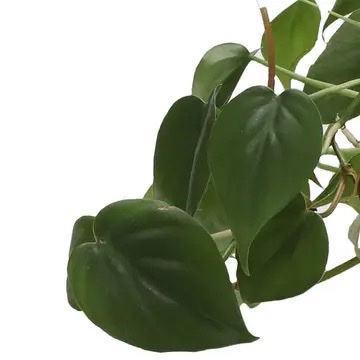
Light: Peperomia thrives in bright, indirect light. Rotate your plant regularly to encourage even growth and keep it looking full and balanced. Avoid harsh, direct afternoon sunlight, which can fade its rich green color and scorch its soft, velvety leaves.
Water: Like a succulent, Peperomia stores water in its thick, plump leaves. Allow the soil to dry out completely between waterings to prevent overwatering and root rot. Always use a pot with drainage holes to help excess water escape.
Peperomia Quick Diagnostics
The Taco Test Gently try to fold a mature leaf in half. If the leaf feels firm and resists bending, your plant has enough water. If it feels softer and bends easily, it may be time to water.
Yellowing or Dropping Leaves Yellowing leaves or unexpected leaf drop can be signs of overwatering. Pause watering and allow the soil to dry completely. Make sure your pot has adequate drainage before watering again.
Wrinkled or Deflated Leaves Wrinkled, limp, or deflated leaves may indicate that your plant needs water. Give the soil a thorough soak, allowing excess water to drain freely. The leaves should gradually regain their plump appearance.
Long, Stretched, or Leggy Stems Leggy growth is often a sign that your Peperomia needs more light. Move it closer to a bright window with indirect sunlight. You can also trim back stretched or bare stems to encourage fuller, bushier growth.
Bleached or Faded Leaves Pale, bleached, or scorched leaves may indicate too much direct sunlight. Move your plant away from the window or provide filtered light to protect its foliage.
Read more from our detailed plant care guide:
Ten Easy Houseplants for Beginners