

Truth About Variegated Tropical Houseplants and Care Basics
Variegated tropical houseplants look rare and magical, but their color patterns are not always permanent. A plant can arrive with creamy white leaves, yellow marbling, or pink splashes, then slowly grow greener over time. Sometimes that is normal. Sometimes it is a sign the plant needs better care. Sometimes the plant’s genetics were never very stable to begin with.
Variegation is beautiful, but it comes with a tradeoff. The pale parts of the leaf have less chlorophyll, and chlorophyll is what helps a plant turn light into energy. That means variegated plants often grow slower and need a more careful balance of light, water, and patience than their all-green cousins.

What variegation really means
Variegation means a plant has more than one color in its leaves or stems. Common colors include:
White
Cream
Yellow
Light green
Pink
Silver
In many tropical houseplants, these colors show up because some leaf cells make less chlorophyll than others. The green parts are doing most of the work. The white or pale parts add beauty, but they do not feed the plant in the same way.
That is why a mostly white leaf may look stunning, but struggle to last. A plant with too much pale tissue may grow slowly, brown at the edges, or need extra careful care.
Variegation can result from a natural mutation, breeding, or hybridization. Occasionally, plants are chosen and propagated due to a unique pattern appearing on a leaf or stem. This distinctive appearance can be inherited, although not always with exact precision.
Stable variegation is more predictable
A stable variegated plant usually keeps its pattern from leaf to leaf. The exact markings may still change, but the plant tends to stay variegated.
Good examples often include many variegated pothos, some Philodendron cultivars, and certain variegated rubber plants. These plants have patterns that are more likely to continue under normal indoor care.
Stable does not mean every leaf looks the same. One leaf may have more cream. Another may have more green. But the plant keeps producing a similar style of variegation over time.
A stable plant is often easier for beginners because it is less likely to suddenly turn fully green or produce only pale, weak growth.
A simple way to consider it: stable variegation acts like a pattern the plant is familiar with replicating.
Unstable variegation can change or disappear
Unstable variegation is less predictable. A plant may produce a few dramatic leaves, then start growing mostly green. This is called reversion.
Reversion happens when the plant begins favoring greener growth. Green leaves have more chlorophyll, so they can produce more energy. From the plant’s point of view, green growth is stronger and more useful.
Unstable plants may also produce leaves that are too white. These leaves may look impressive at first, but they often cannot support themselves well. They may brown faster or fail to help the plant grow.
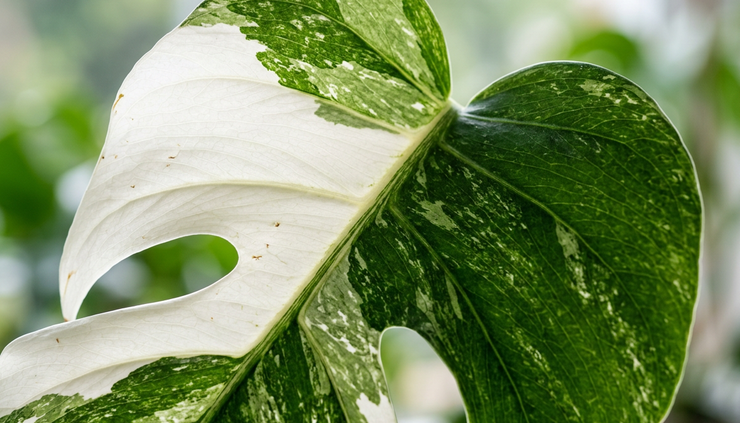
A few signs of unstable variegation include:
New leaves are becoming fully green
New leaves are becoming almost fully white
The pattern changes sharply from one growth point
One stem looks very different from the rest of the plant
If a plant starts reverting, pruning can sometimes help. Cut back to a node that last produced good variegation. This may encourage the plant to grow again from a more balanced point. It does not always work, but it is often worth trying.
Some rare plants are rare because of DNA and growth patterns
Rare variegated plants aren't always hard to find just because they're tough to grow. Sometimes, they're rare because their unique colors come from a rare genetic event or a random mutation.
These plants often have different kinds of cells mixed together. Some cells make green parts, while others create lighter parts. If these stay balanced, the plant keeps its cool pattern. But if things get out of whack, the plant might lose its color or get too pale.
This is why some rare tropical plants can be pricey. They might grow slowly, spread unevenly, or not always pass on the same cool colors.
Rare doesn’t always mean tougher. Lots of rare variegated plants are actually more delicate because they have less chlorophyll, which means they have less energy.
That's the deal with variegated indoor tropical houseplants: their stunning looks often come with a bit of fragility.
Light matters more than most people think
Variegated plants need bright light, but not harsh direct sun. Because they have less chlorophyll, they need good light to make enough energy. Too little light can push the plant to produce greener leaves so it can survive.
The best light is usually:
Bright
Indirect
Consistent
Filtered through a curtain or set back from a sunny window
Too much direct sun can burn the pale sections. White and cream areas are especially sensitive. They can crisp or brown before the green parts show damage.
A plant that is not getting enough light may grow smaller leaves, stretch toward the window, or lose its variegation. A plant getting too much sun may show dry brown patches, especially on the light-colored parts.

Watering should be steady, not excessive
Variegated tropical plants still like moisture, but they do not want soggy soil. Since many grow slower than fully green plants, they may use water more slowly too.
Check the soil before watering. For many tropical houseplants, it is better to water when the top inch or two feels dry rather than watering on a strict schedule.
Overwatering can cause:
Yellow leaves
Soft stems
Root rot
Brown leaf edges
Slow growth
Underwatering can cause:
Curling leaves
Crispy tips
Drooping
Dry soil pulling away from the pot
The goal is balance. Use a pot with drainage holes. Choose a light, airy potting mix. Let extra water drain out fully. Variegated plants often do best when their roots get both moisture and oxygen.
Considerations for Variegated Plants
When caring for variegated plants, it is important to consider the specific type of plant, as different varieties may have unique care requirements. Here are some key points to keep in mind:
1. Susceptibility to Root Rot
Variegated plants, regardless of their growth habits, can be more susceptible to root rot. This susceptibility often relates to their moisture retention in the soil and overall watering practices.
2. Watering Practices
Adjusting watering practices is crucial to prevent overwatering, which can lead to root rot. Consider the following:
Allow the top layer of soil to dry out before watering.
Use well-draining soil to promote healthy root conditions.
Ensure pots have adequate drainage holes.
3. Light Requirements
Variegated plants often require specific lighting conditions to thrive:
Provide bright, indirect light to enhance the variegation.
Avoid direct sunlight, which can scorch the leaves.
4. Nutrient Needs
Variegated plants may have different nutrient needs compared to their non-variegated counterparts:
Use a balanced fertilizer during the growing season.
Consider a fertilizer that supports vibrant leaf coloration.
5. Monitoring Health
Regularly check for signs of distress, such as yellowing leaves or wilting, which may indicate root issues or nutrient deficiencies.
By understanding these factors, you can better care for your variegated plants and ensure they remain healthy and vibrant.
Do not chase all-white leaves
All-white leaves are popular online, but they are not ideal for the plant. A leaf with no green has little ability to make energy. If a plant produces too many all-white leaves, it may weaken over time.
A healthier goal is mixed variegation. Look for leaves with both green and pale areas. That balance gives you beauty and enough chlorophyll to keep the plant growing.
If your plant keeps producing fully white leaves, you may need to prune it back to a node with more balanced color. If it keeps producing fully green leaves, prune back to encourage a more variegated growth point.
Simple care rules for variegated tropical plants
Keep the setup simple and consistent.
Give bright, indirect light
Avoid long periods of low light
Water when the top layer of soil dries
Use a pot with drainage
Avoid heavy, soggy soil
Rotate the plant for even growth
Prune reverted stems when needed
Be patient with slow growth
Variegated plants do not need constant fussing. They need steady conditions.

The real truth about variegated plants
Variegated tropical houseplants are not just regular plants with fancy leaves. Their color comes from genetics, mutations, breeding, or unusual cell patterns. Some are stable and easy to keep colorful. Others are unstable and may lose their variegation over time.
The key is understanding the tradeoff. Less chlorophyll means less energy. Less energy means the plant needs better light, careful watering, and a little more patience.
Choose stable varieties if you want easier care. Try rare or unstable plants if you enjoy the challenge. Either way, the healthiest variegated plant is not the whitest or rarest one. It is the one with enough green to grow and enough color to make every new leaf exciting.


Comments