

Effective Bottom Watering Techniques for Healthy Plants and Their Benefits
- nitasnaturalssbe
- Sep 18, 2025
- 4 min read
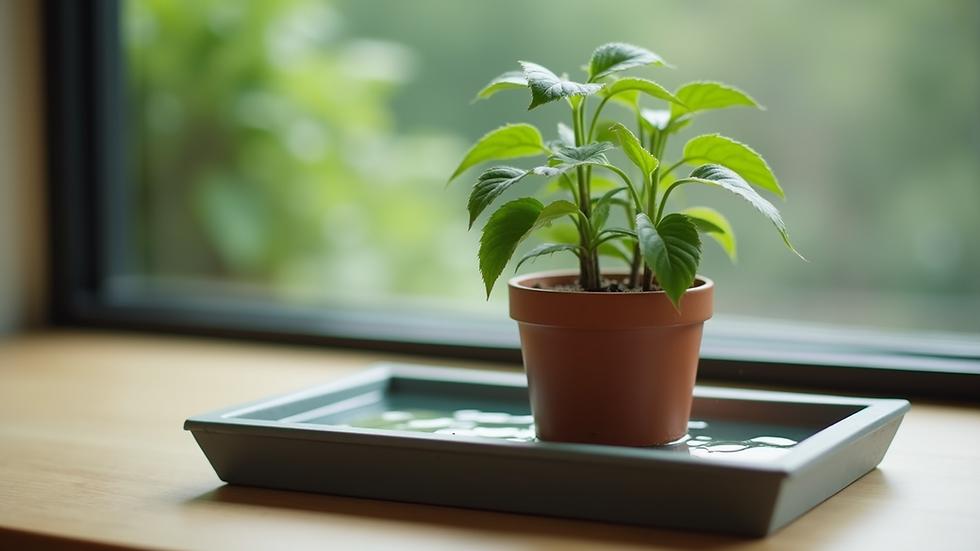
Watering plants is an essential part of plant care, but the method you choose can greatly impact their health. One effective technique gaining popularity among plant lovers is bottom watering. This method not only ensures your plants get adequate moisture, but also promotes healthier root systems. In this blog post, we will explore how to water your plants from the bottom and the numerous benefits that come with this technique.
What is Bottom Watering?
Bottom watering is a method where water is supplied from the bottom of the pot instead of pouring it on top. This technique allows the soil to absorb water through drainage holes, encouraging roots to grow downward in search of moisture. It is especially beneficial for potted plants, helping to prevent overwatering and ensuring that the entire root system is properly hydrated.
How to Bottom Water Your Plants
Step 1: Choose the Right Container
To effectively bottom water your plants, select pots with drainage holes. These holes allow excess water to escape while enabling the soil to absorb moisture from the bottom. For example, using a standard 6-inch pot with good drainage can provide ample space for roots to grow while avoiding water retention issues. If your pot lacks drainage holes, consider repotting your plant into one that does.
Step 2: Prepare a Watering Tray
Choose a shallow tray or basin big enough to hold sufficient water to submerge the bottom of your plant pot. For multiple pots, ensure the tray can fit all of them without spilling over. A tray that is at least 1-2 inches deep is generally suitable.
Step 3: Fill the Tray with Water
Pour water into the tray until it reaches a level just below the base of the pot. Avoid completely submerging the pot to prevent waterlogging and root rot. A general guideline is to fill the tray to about 1 inch deep for most houseplants.
Step 4: Place the Plant in the Tray
Set your potted plant in the tray so the bottom of the pot touches the water. Allow the plant to soak for about 30 minutes to an hour, depending on the size of the pot and type of plant. For instance, smaller pots may absorb water faster than larger ones.
Step 5: Remove and Drain
After the recommended soaking time, take the pot out of the tray and let any excess water drain away. This step is crucial for preventing overwatering, which can harm your plants.
Benefits of Bottom Watering
Promotes Healthy Root Growth
One of the main advantages of bottom watering is its ability to promote healthy root growth. When roots reach down in search of moisture, they become stronger and more resilient. A study showed that plants with well-established root systems can grow up to 50% larger over time compared to those with minimal root development.
Reduces the Risk of Overwatering
Bottom watering greatly reduces the risk of overwatering, a common issue among plant owners. This method allows for gradual water absorption, hence minimizing waterlogged conditions that can lead to root rot. Research indicates that over 40% of houseplants suffer from root rot due to improper watering.
Prevents Soil Compaction
Watering from the top can lead to soil compaction, making it difficult for roots to penetrate. In contrast, bottom watering maintains soil structure, which allows for better aeration and drainage. This is especially crucial for plants like succulents or cacti that thrive in well-draining conditions.
Reduces Leaf Spotting and Fungal Issues
Top watering can splatter water onto leaves, creating a damp environment perfect for fungal growth and leaf spots. By eliminating this splashing, bottom watering keeps the foliage dry, significantly reducing the risk of diseases. Studies show that plants watered from the bottom have up to 70% less leaf fungus compared to those watered from above.
Saves Time and Effort
Bottom watering can be a time-efficient method, especially for those with several plants. Instead of individually watering each plant from the top, you can place them all in a single tray and let them absorb water simultaneously. This method not only simplifies the process but also ensures that every plant receives the right amount of moisture.
Tips for Successful Bottom Watering
Monitor Soil Moisture
While bottom watering is effective, keep an eye on soil moisture levels. Use a moisture meter or simply check with your finger before watering again. This practice prevents overwatering and ensures your plants stay healthy. Consistently moist soil is ideal for most houseplants.
Adjust Watering Frequency
The frequency of bottom watering will depend on factors like plant type, pot size, and environmental conditions. Some plants may need more water than others. For instance, a fern may require watering every 5-7 days, while a succulent might only need it every 2-3 weeks. Be attentive to your plants’ signs and adjust accordingly.
Closing Thoughts
Bottom watering is an effective technique that can significantly enhance the health of your plants. By promoting healthy root growth, reducing overwatering risks, and preventing soil compaction, this method can lead to flourishing, vibrant plants. With a few straightforward steps and mindful attention to detail, you can master bottom watering and unlock its many advantages.
Incorporating bottom watering into your plant care routine can transform how you nurture your green companions. Gather your pots, trays, and water, and give your plants the hydration they truly deserve!


Question: what are the effects of watering an Orchid from the bottom?