


They Weren’t Born in Pots
What Puerto Vallarta Reminded Me About Houseplants
I came to Puerto Vallarta, Mexico expecting sunshine, beautiful beaches and a little relaxation.
What I didn’t expect was to find myself looking at the landscaping everywhere I went thinking:
“Wait a minute… I have that plant at home!”
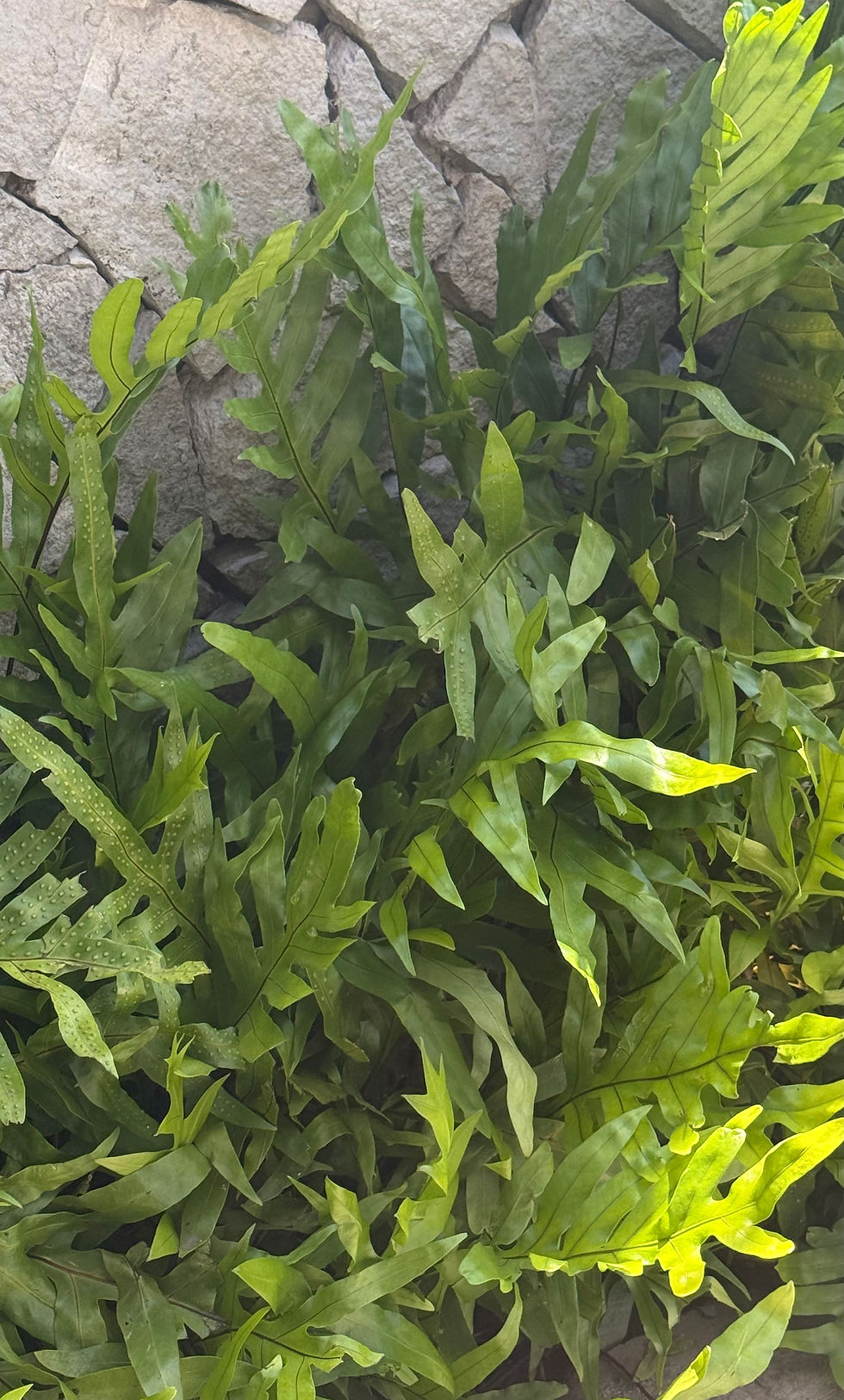
Crotons. Aglaonemas. Snake plants. Ferns. Elephant ears.
And Pothos.
POTHOS, POTHOS, POTHOS!
Except here, I’m not seeing them sitting neatly in a little grower pot on a shelf.
I’m seeing them outdoors—growing, spreading, climbing, reaching toward the light and becoming the plants they were designed to be.
And it reminded me of something we houseplant lovers sometimes forget:
They weren’t born in pots.
We usually meet our tropical plants at a garden center.
They’re sitting in a 4-inch, 6-inch or maybe 10-inch grower pot. We take them home, find a pretty decorative planter and decide where they’ll live.
A bookshelf.
A windowsill.
A corner of the living room.
And without really thinking about it, we begin treating that little pot as though it is the plant’s natural world.
But it isn’t.
Many of the plants we commonly call “houseplants” come from tropical and subtropical regions around the world. Others, although not native to Mexico specifically, thrive beautifully in the warm, humid conditions here in Puerto Vallarta.
Seeing them growing outdoors has made me look at my own plants differently.
Look at what happens when you let them climb
One of my favorite things I’ve seen here has been Pothos climbing right up the trunk of a palm tree.
No decorative moss pole.
No little plant stake.
No training clips.
It found a tree and did exactly what comes naturally.
It climbed.
That is something we sometimes forget about plants like Pothos, Monsteras and many climbing Philodendrons.
We love letting them trail from shelves—and there’s nothing wrong with that—but many of these plants naturally climb upward toward brighter light.
As they mature under favorable conditions, their stems can become stronger and their leaves can become much larger than the little leaves we are accustomed to seeing indoors.
Sometimes the plant sitting on our bookshelf is only showing us a fraction of what it is capable of becoming.

No moss pole required. This Pothos found a palm tree and did exactly what comes naturally—climb.
Houseplants look very different when they become landscape plants
Then there are the plants that surprised me simply because of their size and fullness.
Crotons that we carefully nurture indoors are growing thick, colorful and full outdoors.
Snake plants that we might place in a decorative pot beside a sofa are growing together as landscape plants.
Aglaonemas are thriving in warm, protected spaces.
And tropical foliage that seems impressive inside our homes becomes enormous outdoors.
That alone tells us something important.
Our plants aren’t simply decorations.
They are living organisms responding to their environment.
Light.
Temperature.
Humidity.
Water.
Space.
Support.
All of those things influence the plant we eventually see.


The same plants we carefully grow indoors become part of the landscape when the climate allows them to live outdoors year-round.
Humidity matters more than we sometimes realize
Walking through Puerto Vallarta, you can feel the difference in the air.
There’s moisture.
There’s warmth.
There’s movement.
And tropical foliage loves it.
Back home, especially during colder months, our furnaces and heating systems can create an environment that is much drier than many tropical plants would naturally experience.
That doesn’t mean we need to transform our homes into rainforests.
But it does mean we can make thoughtful adjustments.
Grouping plants together, using a humidifier when appropriate and keeping plants away from heating and cooling vents can all help create a more comfortable environment.
We may never duplicate the tropics perfectly.
We don’t have to.
The goal is simply to take our cues from nature.

Think about the light
Another thing that becomes obvious outdoors is that tropical plants don’t all spend their lives baking in direct sunlight.
Many grow underneath taller plants and trees where the sunlight is filtered through layers of foliage.
Others climb upward looking for more light.
That’s why “tropical plant” doesn’t automatically mean “put it in the brightest direct sun you can find.”
Learning how your particular plant grows in nature can tell you a lot about where it wants to live in your home.
Instead of simply asking:
“How much light does this plant need?”
It can be helpful to ask:
“Where would this plant naturally be growing?”
Under a tree canopy?
Climbing a trunk?
Spreading along the forest floor?
That little bit of information can completely change the way we care for it.
And then there’s the rain
Here’s another thing I’ve been thinking about while looking at all this beautiful tropical foliage.
These plants weren’t designed around our kitchen faucets either.
In nature, they receive rain.
Rainwater is naturally different from treated municipal water. Depending on where we live, tap water can contain dissolved minerals and treatment chemicals.
Many houseplants tolerate tap water perfectly well.
Others can be a little more sensitive.
When it is practical and safe to collect rainwater, it can be a wonderful option for our plants.
There’s also something beautifully simple about it:
Giving a tropical plant water from the sky.

Make them feel at home in your home
Puerto Vallarta has reminded me that good plant care isn’t always about buying another fertilizer, another gadget or another product.
Sometimes it starts with observation.
Look at your plant.
Learn where it comes from.
Learn how it grows.
Does it climb?
Let it climb.
Does it naturally live beneath a tree canopy?
Give it bright, filtered light.
Does it come from a humid environment?
Think about the air surrounding it, not just the soil inside its pot.
Does it eventually become a very large plant?
Give it room to mature.
Instead of constantly asking:
“How do I make this plant fit into my house?”
Maybe sometimes we should ask:
“How can I make my house feel a little more like home to this plant?”
We may never be able to give our houseplants a palm tree, tropical rainfall and the warm Puerto Vallarta air.
But we can understand what they are asking for.
We can mimic nature where we can.
And when we do, they often reward us with stronger growth, larger leaves and beautiful, healthy foliage.
Because that little tropical plant sitting in your favorite pot?
It may live in your house.
But it still remembers what it was created to do.
They weren’t born in pots.
Give them a little taste of home and let them show you what they can become.
Have a thriving day. 🌿
— Pot O’ Greens


Comments