

The Ultimate Guide to Succulent Care
Updated: Oct 14
Choosing the Right Succulents for Your Space
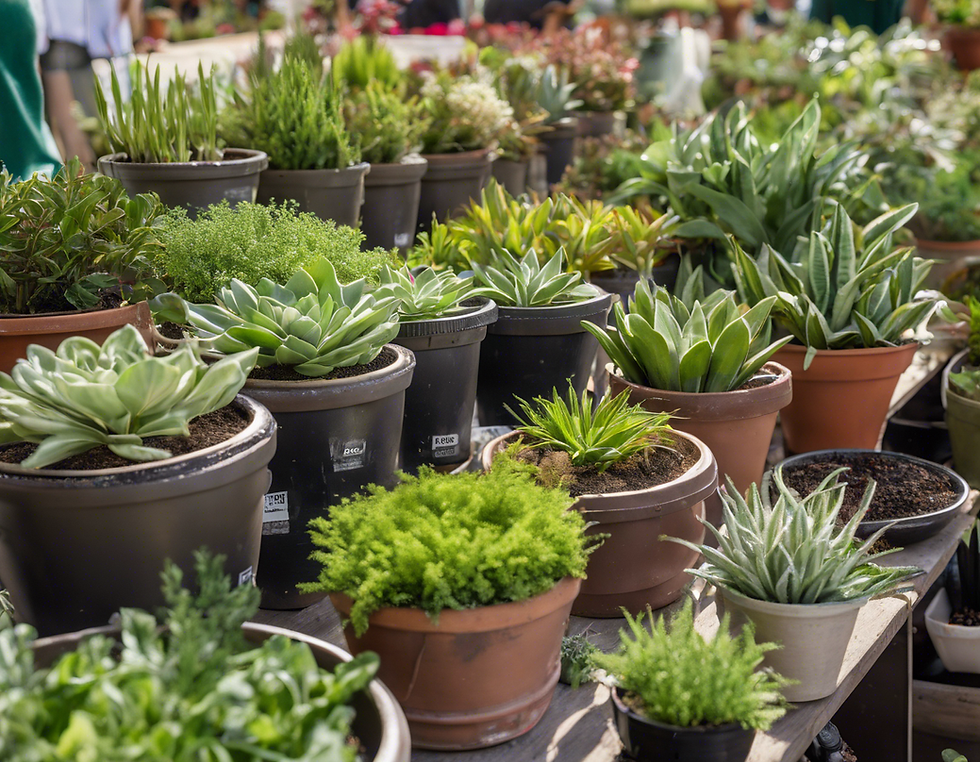
Not all succulents are the same. Some thrive indoors, while others prefer outdoor conditions. Before buying, consider:
Light availability: Succulents like aloe vera and echeveria need bright, indirect sunlight. If your home has low light, choose varieties like haworthia or snake plants that tolerate shade.
Climate: Outdoor succulents such as agave or jade plants prefer warm, dry climates. If you live in a humid or cold area, keep these plants indoors or in a greenhouse.
Space: Some succulents grow compact, some are trailing, and others spread wide. Pick plants that fit your available space without overcrowding.
Selecting the right succulent for your environment sets the foundation for successful care.

Providing Proper Light
Light is the most critical factor for succulent health. These plants store water in their leaves and rely on sunlight for photosynthesis.
Place succulents near south- or east-facing windows where they receive 6 hours of bright, indirect light daily.
Avoid direct afternoon sun through west-facing windows, which can scorch leaves.
If natural light is limited, use grow lights designed for succulents. Position the light 6-12 inches above the plants for 12-14 hours a day.
Watch for signs of insufficient light: stretched, leggy growth or pale leaves.
Adjusting light exposure helps succulents maintain their compact shape and vibrant colors.
Watering Succulents Correctly
Overwatering is the most common cause of succulent death. These plants store water in their thick leaves and stems, so they need less frequent watering than other houseplants.
Water only when the soil is completely dry. Check by inserting your finger 1-2 inches into the soil. Usually, in summer months, once every 2 weeks should be sufficient.
Use the "soak and dry" method: water thoroughly until it drains out the bottom, then let the soil dry before watering again. Another great method for watering your succulent is bottom watering.
Avoid letting succulents sit in standing water. Use pots with drainage holes.
During winter, reduce watering frequency since succulents enter a dormant phase and need less moisture.
Proper watering prevents root rot and keeps your succulents healthy.
Choosing the Right Soil and Pot
Succulents need well-draining soil to prevent water retention around their roots.
Use a cactus or succulent-specific potting mix that contains sand, perlite, or pumice.
Avoid regular potting soil, which holds too much moisture.
Select pots with drainage holes to allow excess water to escape.
Terra cotta pots are ideal because they absorb moisture and improve airflow.
Good soil and pot choice create the right environment for succulent roots.
Fertilizing Succulents
Succulents do not require heavy feeding but benefit from occasional nutrients.
Feed succulents during their growing season (spring and summer) with a balanced, diluted fertilizer.
Use a fertilizer formulated for cacti and succulents or a general-purpose fertilizer diluted to half strength.
Fertilize once a month or every 6 weeks.
Avoid fertilizing during the dormant winter months.
Light feeding supports healthy growth without causing excessive leaf or stem growth.
Managing Temperature and Humidity
Succulents prefer warm, dry conditions similar to their native desert habitats.
Keep indoor temperatures between 60°F and 80°F (15°C to 27°C).
Avoid exposing succulents to temperatures below 40°F (4°C), which can damage or kill them.
Maintain low humidity levels. High humidity can encourage fungal diseases.
Use a fan or dehumidifier if your home is very humid.
Controlling temperature and humidity helps succulents avoid stress and disease.
Pruning and Propagating Succulents
Pruning keeps succulents looking neat and encourages new growth.
Remove dead or damaged leaves by gently twisting them off.
Cut leggy stems to promote bushier growth.
Use clean, sharp scissors or pruning shears to avoid infection.
Propagate succulents easily by leaf or stem cuttings. Let cuttings dry for a few days before planting in soil.
Regular pruning and propagation let you expand your succulent collection and maintain plant health.

Desert Rose
The Desert Rose, scientifically known as Adenium obesum, is a succulent plant native to the arid regions of Africa and the Arabian Peninsula. This striking plant is renowned for its beautiful, trumpet-shaped flowers that bloom in various colors, including pink, red, and white. The Desert Rose thrives in warm climates and is often cultivated as an ornamental plant.
Characteristics
Growth Habit: The Desert Rose typically grows as a small tree or shrub, reaching heights of 2 to 3 feet.
Watering Needs: This plant is drought-tolerant and requires minimal watering, making it ideal for xeriscaping.
Soil Requirements: Well-draining soil is essential, as the roots are susceptible to rot in overly moist conditions.
Uses
Primarily grown for ornamental purposes in gardens and landscapes.
Often used in bonsai practices due to its unique trunk and shape.

Aloe Vera
Aloe Vera, scientifically known as Aloe barbadensis miller, is a succulent plant species that has been used for centuries for its medicinal and cosmetic properties. This hardy plant is easily recognizable by its thick, fleshy leaves that contain a gel-like substance known for its soothing and healing qualities.
Characteristics
Growth Habit: Aloe Vera typically grows to about 1 to 2 feet in height and spreads through offsets.
Watering Needs: This plant prefers infrequent watering, allowing the soil to dry out between waterings.
Light Requirements: Aloe Vera thrives in bright, indirect sunlight but can tolerate some direct sun.
Uses
Commonly used in skincare products for its moisturizing and healing properties.
Utilized in traditional medicine for its potential health benefits, including digestive aid and anti-inflammatory effects.
Can be consumed in juice form, providing hydration and nutrients.

Kalanchoe Mother of Thousands
Mother of Thousands, scientifically known as Kalanchoe daigremontiana, is another impressive succulent plant. This unique species is part of the Crassulaceae family and is well-known for its distinctive propagation method and attractive foliage.
Characteristics
Leaves: The plant features thick, fleshy leaves that are typically green with a hint of purple at the edges.
Propagation: One of the most remarkable traits of Mother of Thousands is its ability to produce numerous small plantlets along the edges of its leaves, which can easily root in soil.
Flowers: The plant produces tubular, pink to red flowers that bloom in clusters, usually during the spring.
Growing Conditions
Light: It thrives in bright, indirect sunlight but can tolerate some direct sun.
Soil: A well-draining succulent mix is ideal for preventing root rot.
Watering: Water sparingly, allowing the soil to dry out completely between waterings.
Care Tips
Ensure good air circulation around the plant to prevent pests.
Fertilize sparingly during the growing season with a diluted succulent fertilizer.
Be cautious, as the plant can become invasive in some regions due to its prolific propagation.
Overall, Mother of Thousands is a fascinating succulent that can be a great addition to any indoor or outdoor garden, provided its growth is managed appropriately.
Common Problems and How to Fix Them
Even with good care, succulents can face issues. Here are common problems and solutions:
Root rot: Caused by overwatering or poor drainage. Repot the plant in dry soil and reduce watering.
Pests: Mealybugs and spider mites can infest succulents. Treat with insecticidal soap or neem oil.
Sunburn: Brown or white patches on leaves indicate too much direct sun. Move the plant to a shadier spot.
Etiolation: Stretching and pale leaves mean insufficient light. Increase light exposure gradually.
Early detection and action keep succulents thriving.
Tips for Indoor Succulent Care
Indoor succulents need special attention to mimic their natural environment.
Rotate plants weekly to ensure even light exposure.
Use a humidity tray or pebble tray to maintain airflow around the plant.
Avoid placing succulents near heating vents or drafty windows.
Clean leaves occasionally with a soft brush to remove dust.
These small steps improve indoor succulent health and appearance.
Tips for Outdoor Succulent Care
Outdoor succulents face different challenges but can thrive with proper care.
Plant succulents in raised beds or containers with well-draining soil.
Protect from heavy rain by moving pots under cover or using a rain shelter.
Mulch around plants with small rocks to retain moisture and prevent weeds.
Monitor for pests and diseases regularly.
Outdoor care requires adapting to weather conditions while maintaining drainage and protection.

Conclusion: Embrace Your Succulent Journey
Growing succulents can be a rewarding experience. With the right knowledge and care, you can create a thriving indoor garden. Remember to choose the right plants for your space, provide adequate light, and water wisely. Each step you take brings you closer to becoming a confident plant parent.
So, let’s embark on this succulent journey together! If you ever feel uncertain, remember that every plant has its own personality and needs. Embrace the learning process, and soon you’ll have a beautiful collection of healthy succulents to enjoy.
And don't forget, for more expert guidance, check out Pot O' Greens to make your plant parenthood easy and enjoyable!


Comments